
First Impressions of Where Winds Meet: Wuxia Fantasy RPG Makes a Big Splash
On November 14, 2025, Where Winds Meet officially launched worldwide on PlayStation 5 and Windows, marking one of the most talked-about game releases of the year. Developed by Everstone Studio and published by NetEase Games, this ambitious wuxia-inspired free-to-play action RPG blends sprawling open-world exploration, martial arts combat, and MMO-lite social dynamics into a package that has already captivated millions of players. What was once a highly anticipated title has quickly become one of the standout releases of late 2025, generating a surge of global engagement and lively debate among players and critics alike.
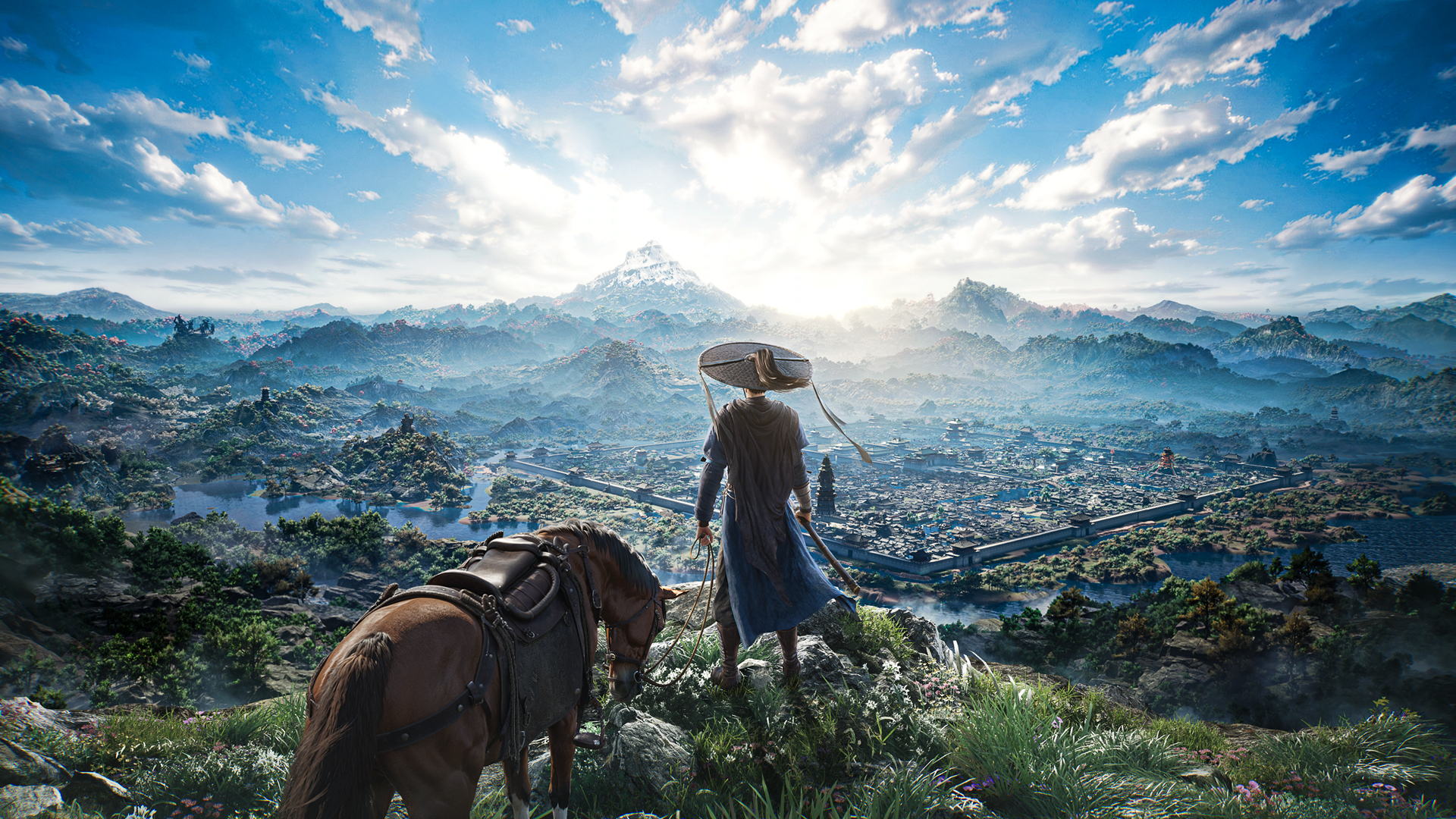
Where Winds Meet invites players into a richly detailed re-creation of ancient China’s Five Dynasties and Ten Kingdoms period, where political intrigue, legendary swordsmen, and mystical landscapes form the backdrop to an open world designed for both solo and co-operative adventure. Long before launch, the game’s official trailers and previews promised deep martial arts systems, a layered narrative, and the freedom to choose one’s own path, whether that means mastering the art of parrying like a seasoned duelist or joining forces with fellow wanderers to tackle formidable dungeons and raids.
Since its release, Where Winds Meet has not only captured player attention but broken records. Within 24 hours of its global rollout, the game had amassed over 2 million players, and within two weeks, it had surpassed 9 million players worldwide, with a peak of more than 250,000 concurrent users on Steam alone. By mid-December, the total player count had ballooned to an impressive 15 million across all platforms, underscoring the enormous demand for a next-generation, free-to-play action RPG rooted in wuxia tradition.
Many early impressions laud the game’s stunning visuals and expansive world design, with players drawing comparisons to high-profile open-world titles while noting the distinct cultural flavor imbued throughout the setting. Combat, too, has drawn acclaim for its fluidity and responsiveness: Where Winds Meet blends martial arts-style movement with tactical parry mechanics that evoke the thrill of titles like Sekiro and classic wuxia cinema. Reviewers from a variety of outlets highlighted that this mix of fast-paced duels and cinematic spectacle keeps the experience engaging even in extended sessions.
Still, while the praise has been abundant, Where Winds Meet hasn’t been without its critics. Some respected reviewers pointed out that the game’s pacing can feel uneven, especially as quests and progression systems begin to pile up during later chapters. Reports from early press reviews described the RPG as “an ambitious epic caught between grace and turbulence,” noting that while the combat and world are strong, certain systems — such as interface complexity and progression pacing — occasionally undermine the narrative flow or overwhelm new players.
In addition to traditional feedback, emergent features like AI-driven NPC interactions have sparked debate within the community. These AI NPCs are designed to respond dynamically to player text and voice input, providing a level of interactivity rarely seen in open-world RPGs. While some players find this innovation refreshing and praise its ambitions, others have reported glitchy or incongruous responses, pointing out that generative AI still sometimes misrepresents historical context or produces unexpected outcomes that break immersion. Maombi+1
Player reactions on social platforms reflect a similarly broad spectrum of sentiment. On Reddit, some players share glowing comments about the addictive nature of the game’s exploration and combat systems, noting that the freedom of choice and beautiful environments pulled them into lengthy play sessions soon after launch. Others voice frustration about occasional bugs, glitchy voice acting, or a complex UI that can feel overloaded at first, particularly for players new to the wuxia genre or open RPGs with deep RPG mechanics.
The Where Winds Meet experience stretches beyond solo quests and combat loops. Once players reach certain milestones in the main story, they unlock co-operative gameplay options, allowing friends to team up in shared PvE activities and challenges. This social component has been a major draw, as communities organize fellowship quests and weekly events that build camaraderie among adventurers navigating the game’s layered systems. Maombi
For newcomers approaching Where Winds Meet for the first time, early strategies often focus on mastering the basics of combat and character progression. Veteran players frequently advise sticking to one or two martial-arts weapon styles initially, reserving resources for potent upgrades and avoiding overextension across too many abilities. Community guides also recommend emphasizing Mystic Arts early on to enhance mobility and survivability in the game’s more demanding encounters. Reddit
Overall, the Where Winds Meet debut stands as a compelling case study in how rich, culturally inspired game worlds can thrive on the global stage. Its blend of wushu aesthetics, traditional RPG depth, and MMO-like social features has struck a chord with millions of players, creating a vibrant player base just weeks after launch. While imperfections remain — from pacing quirks to technical inconsistencies — the broad consensus among first impressions is that Where Winds Meet is a memorable and promising entry in the 2025 RPG landscape, one that marries ambition with accessibility and invites players into a jade-toned world filled with mystery, honor, and adventure.
